

Electrical Engineering Program
This 3 year apprenticeship program is designed for aspiring electrical engineers and provides internationally recognized training in Germany. It combines structured classroom education with paid, practical experience in industrial and commercial environments, preparing candidates for a successful career in the electrical engineering field.
Germany stands as one of the world’s leading destinations for electrical engineers, offering exceptional career opportunities across industries such as automation, renewable energy, manufacturing, automotive, telecommunications, and power systems. With its strong economy, cutting-edge technology, and engineering-driven infrastructure, Germany continues to face a high demand for skilled electrical engineering professionals.
Electrical engineers in Germany play a crucial role in designing, developing, testing, and maintaining electrical systems and equipment. From industrial automation and robotics to smart grids and sustainable energy solutions, engineers contribute to innovation and efficiency across sectors.
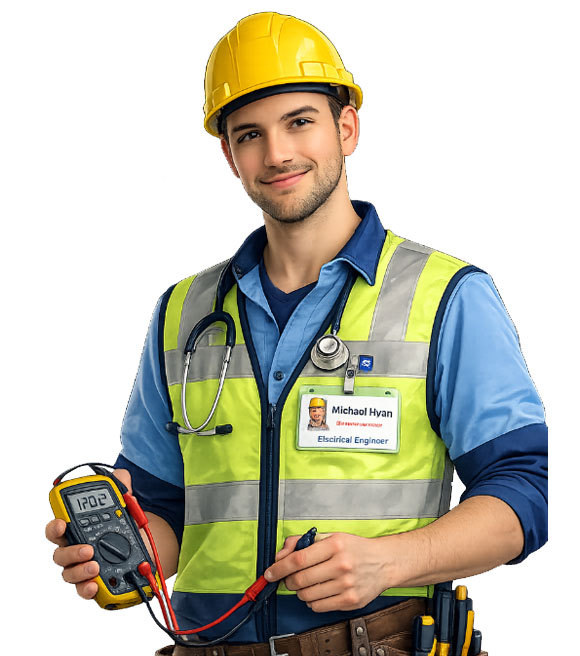
German companies highly value technically qualified candidates with strong analytical skills, practical expertise, and knowledge of modern engineering tools. Professionals benefit from competitive salaries, structured work environments, excellent employee benefits, and long-term career stability. Germany also offers attractive pathways for international engineers through options like the EU Blue Card and work visa programs, making it easier for qualified candidates to live and work legally in the country.
While German language proficiency is often preferred, many multinational organizations provide opportunities for English-speaking engineers, especially in technical and research-based roles. However, learning German significantly improves employability, workplace integration, and career growth.
Whether you are a recent graduate or an experienced professional, pursuing an electrical engineering career in Germany opens doors to global exposure, advanced technologies, and rewarding professional development.
Benefits
Stipend (Year 1–3): €980–€1250 / Month
Salary after apprenticeship: €3000 / Month
Subsidised Accommodation & food
Eligibility Criteria
| Age | 18 – 27 years |
|---|---|
| Education | 12th | ITI | Diploma |
| Language | B1 German |
| Skills | Team player |
Faq’s
Frequently Ask Question
What qualifications are required to work as an electrical engineer in Germany?
A bachelor’s or master’s degree in Electrical Engineering or a related field is typically required. Your degree may need recognition under German standards (Anabin / ZAB evaluation).
How can I check if my degree is recognized in Germany?
You can verify recognition through the Anabin database or apply for a ZAB (Central Office for Foreign Education) evaluation.
What industries hire electrical engineers in Germany?
Key sectors include automation, renewable energy, automotive, power systems, electronics, telecommunications, robotics, and manufacturing.
Which skills are most in demand?
Automation, PLC/SCADA, embedded systems, renewable energy systems, CAD tools, MATLAB, Python, and power electronics.
Can I switch employers after moving to Germany?
Yes, subject to visa conditions. EU Blue Card holders usually have flexible employment mobility.
